The exhibition of the photographic works of the IRWIN art collective will present, for the first time, more than 90 photographs by one of the ...
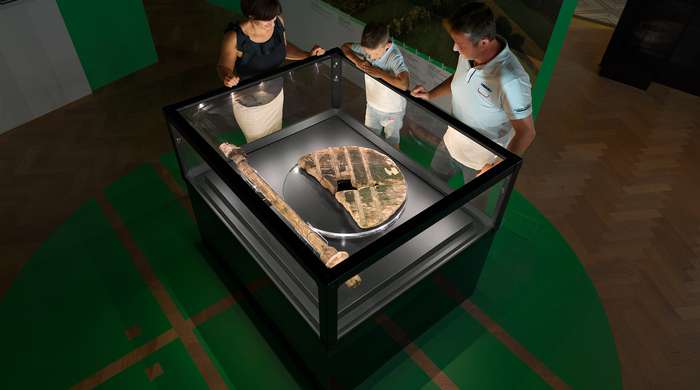
How well do you know the rich history of Slovenian capital? Pile-dwellers, Emona, Middle and New Ages, the 20th and 21st centuries… what is the history of Ljubljana? Get to know Ljubljana's past - see the chronological presentation of Ljubljana’s millennia of heritage with precious authentic artefacts, like the world's oldest wooden wheel with an axle!
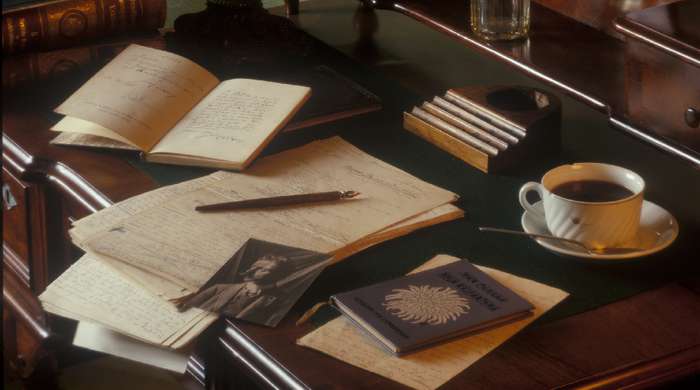
Ivan Cankar, a Slovenian author, playwright and essayist born in 1876 in Vrhnika, spent a few years of his life in Ljubljana. Having returned from Vienna to Ljubljana, he established himself on Rožnik Hill which today forms part of the Tivoli, Rožnik and Šišenski hrib landscape park.
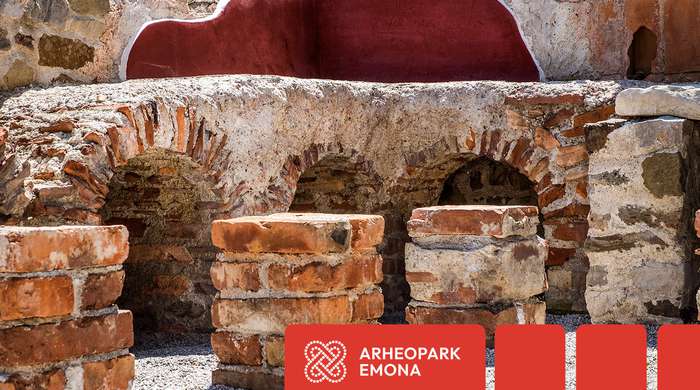
A special place in Ljubljana's history is reserved for Roman Emona, the traces of which have been preserved in the very centre of the city.
Welcome to a trail tracing the 2000-year-old heritage of Emona. A walk through modern Ljubljana can take you further than you think! It takes you to the time of Emona, a city brimming with life between the first century and early sixth century.
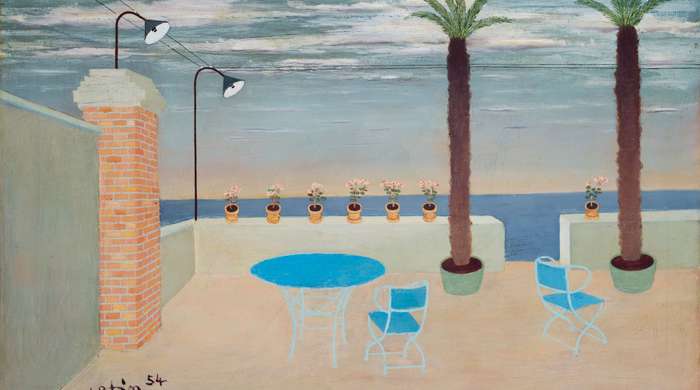
The popular exclamation “Let’s go to the seaside!” promises a summer exhibition. The title may seem unusual for a museum in Ljubljana, but the exhibition presents its collection as a treasury of fragments illuminating the history of the idea of a summer holiday by the sea.
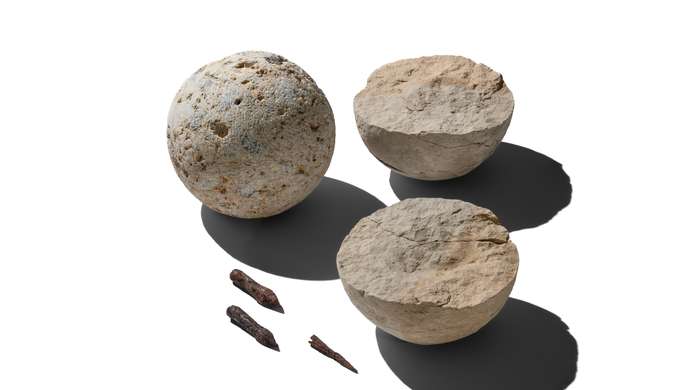
The exhibition at the Treasury of the City Museum of Ljubljana offers a glimpse into the history of archaeological research in the area of Ljubljana Castle and highlights a selection of finds from the latest phase of excavations, which have been underway on the castle bastion since December 2025 and mark the conclusion of more than 60 years of research at this site.
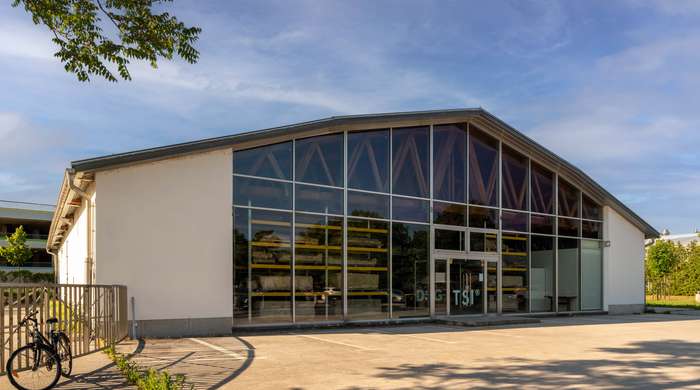
The panel exhibition in the outdoor atrium of the City Museum of Ljubljana presents the MGML Archaeological Centre, where archaeological finds begin a new life after excavations are completed. It reveals the heart of the work that usually remains hidden from public view — from cleaning, documenting and studying objects to their long-term preservation and archiving. The exhibition presents the people, processes and spaces that make it possible to understand the past and preserve archaeological heritage for the future.
News
The City Museum of Ljubljana is joining the Ljubljana Art Weekend festival from 22 to 24 May 2026 with a diverse programme offering insight into the work of the IRWIN art collective. Check out what we have prepared for you!
Exclusively on display
Free entry to all museums and galleries. Doors open from 18.00 to 24.00!
City Museum of Ljubljana
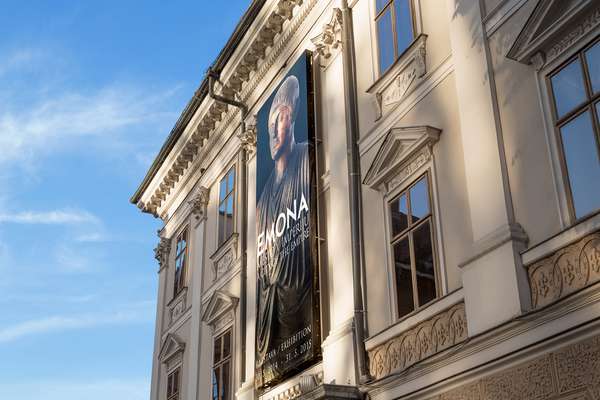
Since its foundation in 1935, the City Museum of Ljubljana has been housed by the Auersperg Palace. The museum conserves tens of thousands museum treasures, among which the world's oldest wooden wheel with an axle is the most prominent. Among the museum's more noticeable projects in the last few years were the exhibitions WHEEL 5200, WATER, Emona: a City of the Empire, A New Age is Coming! Industry – Labour – Capital, and Medieval Ljubljana.
With the merger of the City Museum of Ljubljana and the City Art Gallery of Ljubljana in 2009 into the Museum and Galleries of Ljubljana, the city's largest cultural institution, the museum became part of the living and current museum-gallery offering. At the institution, we maintain genuine contact with our local and foreign visitors, our exhibitions and events serve to popularise collections, and we encourage dialogue between heritage, art, and the challenges of contemporary society.
Location
Gosposka 15
1000 Ljubljana
Contact
Information and reservations:
T: +386 1 2412 500
T: +386 1 2412 506
E- mail: info@mgml.si, prijava@mgml.si
Opening hours
Tuesday–Sunday: 10.00–18.00
Mondays, 1 January, 1 November and 25 December: Closed
Tickets
Permanent exhibition Ljubljana. History. City. (basement and 2nd floor)
Solo visit: € 10 / reduced (children from the age of 7, students, over 60, unemployed, disabled): € 8
Family ticket: € 22.00
Public guided tour: € 11 / reduced: € 9
Children up to the age of 6, ICOM, PRESS, SMD, disabled companions, tourist URBANA, licensed tourist guide: free of charge