Are you interested in how an object from the depths of the earth makes its way into a brightly lit museum display case?
The exhibition ...
Odprt je javni poziv Moja zbirka. Moja zgodba.
Poglej na tisto polico. Odpri tisto omaro. Kje je tisti album? Tista škatla? Poglej v tisti predal, za katerega dobro veš, kaj je v njem. Zakaj? Iščemo zbirke z najbolj zanimivimi in nenavadnimi zgodbami. Je med njimi tudi tvoja? Do 30. novembra objavi svojo zbirko na mojazgodba.mgml.si.
Vabljeni k sodelovanju!
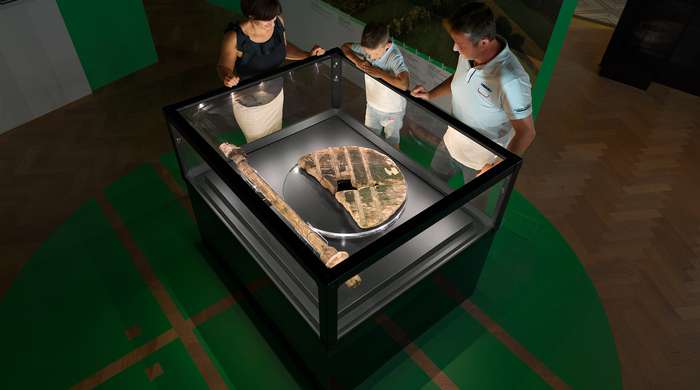
How well do you know the rich history of Slovenian capital? Pile-dwellers, Emona, Middle and New Ages, the 20th and 21st centuries… what is the history of Ljubljana? Get to know Ljubljana's past - see the chronological presentation of Ljubljana’s millennia of heritage with precious authentic artefacts, like the world's oldest wooden wheel with an axle!
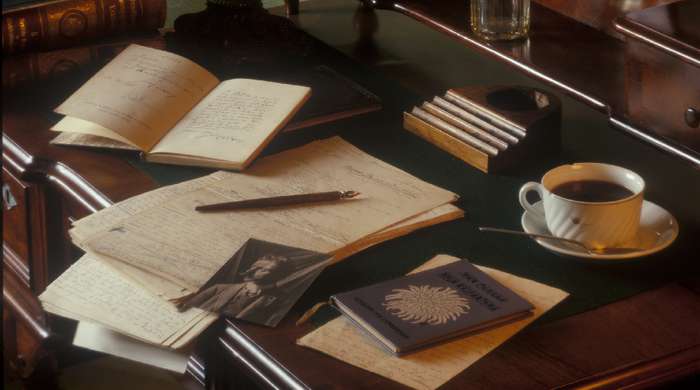
Ivan Cankar, a Slovenian author, playwright and essayist born in 1876 in Vrhnika, spent a few years of his life in Ljubljana. Having returned from Vienna to Ljubljana, he established himself on Rožnik Hill which today forms part of the Tivoli, Rožnik and Šišenski hrib landscape park.
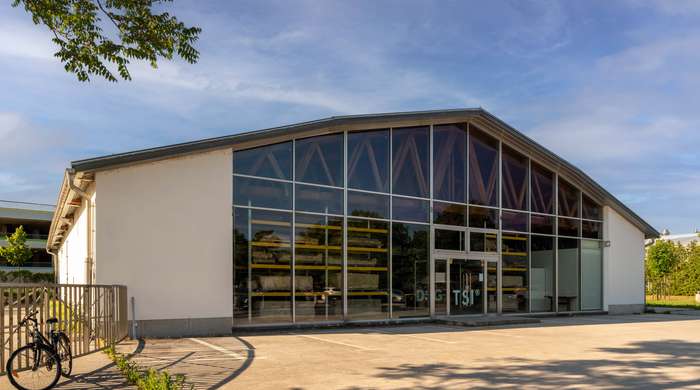
The panel exhibition in the outdoor atrium of the City Museum of Ljubljana presents the MGML Archaeological Centre, where archaeological finds begin a new life after excavations are completed. It reveals the heart of the work that usually remains hidden from public view — from cleaning, documenting and studying objects to their long-term preservation and archiving. The exhibition presents the people, processes and spaces that make it possible to understand the past and preserve archaeological heritage for the future.
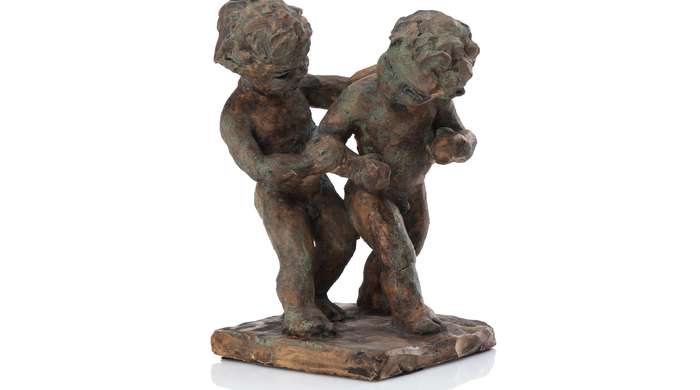
Can a mother also be an artist? How important can sculpture be to her when war breaks out or in a post-war period with all its uncertainties? Everyone’s life reflects the era in which they live and the events that take place in it, and this is particularly true of the sculptor Liza Hribar, about whom we have long remained silent.

Tokrat razstava v Zakladnici Mestnega muzeja Ljubljana na ogled postavlja izjemno dobro ohranjen rimski lesen sod, ki so ga arheologi leta 2020 odkrili med izkopavanji na Kočevarjevem vrtu na Vrhniki. Približno dva tisoč let star sod je prvotno služil za shranjevanje in prevoz blaga, pozneje pa so ga uporabili za utrditev sten vodnjaka. Prav vlažno okolje je omogočilo, da so se ohranile lesene doge, obroči iz šibja ter celo napisi in žigi, ki ponujajo dragocen vpogled v njegovo zgodovino.
News
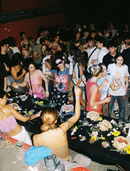
The City Museum of Ljubljana is joining the Ljubljana Art Weekend festival from 22 to 24 May 2026 with a diverse programme offering insight into the work of the IRWIN art collective. Check out what we have prepared for you!
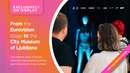
Exclusively on display
Free entry to all museums and galleries. Doors open from 18.00 to 24.00!
City Museum of Ljubljana
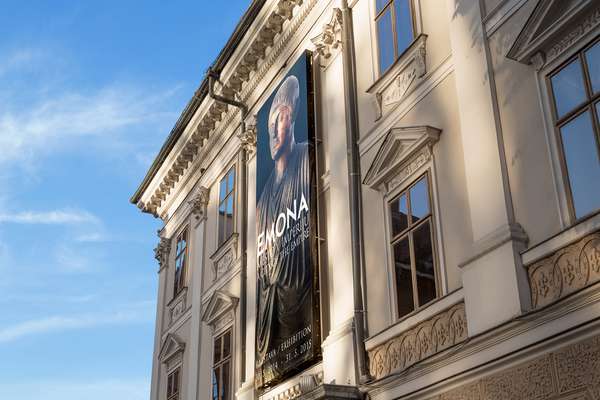
Since its foundation in 1935, the City Museum of Ljubljana has been housed by the Auersperg Palace. The museum conserves tens of thousands museum treasures, among which the world's oldest wooden wheel with an axle is the most prominent. Among the museum's more noticeable projects in the last few years were the exhibitions WHEEL 5200, WATER, Emona: a City of the Empire, A New Age is Coming! Industry – Labour – Capital, and Medieval Ljubljana.
With the merger of the City Museum of Ljubljana and the City Art Gallery of Ljubljana in 2009 into the Museum and Galleries of Ljubljana, the city's largest cultural institution, the museum became part of the living and current museum-gallery offering. At the institution, we maintain genuine contact with our local and foreign visitors, our exhibitions and events serve to popularise collections, and we encourage dialogue between heritage, art, and the challenges of contemporary society.
Location
Gosposka 15
1000 Ljubljana
Contact
Information and reservations:
T: +386 1 2412 500
T: +386 1 2412 506
E- mail: info@mgml.si, prijava@mgml.si
Opening hours
Tuesday–Sunday: 10.00–18.00
Mondays, 1 January, 1 November and 25 December: Closed
Tickets
Permanent exhibition Ljubljana. History. City. (basement and 2nd floor)
Solo visit: € 10 / reduced (children from the age of 7, students, over 60, unemployed, disabled): € 8
Family ticket: € 22.00
Public guided tour: € 11 / reduced: € 9
Children up to the age of 6, ICOM, PRESS, SMD, disabled companions, tourist URBANA, licensed tourist guide: free of charge